
Living near Canary Wharf can make working in London’s financial district considerably easier, but choosing the right neighbourhood involves more than finding a flat within walking distance of the office. Housing costs, transport connections, access to green spaces, local shops, schools and the character of the surrounding streets can all influence whether an area suits your everyday life.
The good news is that the neighbourhoods around Canary Wharf offer several distinct ways to live in east London. The Isle of Dogs has modern apartment developments and established residential streets. Limehouse combines canal-side and riverside living with access to the City. Blackwall and Poplar offer a mixture of newer homes and older neighbourhoods, while Greenwich and Blackheath appeal to people prepared to travel a little further for historic surroundings and more open space.
The best areas to live near Canary Wharf depend on your budget, commute and preferred lifestyle. Someone working long hours in the office may prioritise a short walk or a direct Elizabeth line journey. A couple looking for restaurants and riverside walks may have different priorities from a family searching for schools, parks and a larger home.
This guide compares the main neighbourhoods, explains their advantages and limitations, and highlights what to check before renting or buying a property near Canary Wharf.
The best areas to live near Canary Wharf at a glance
Canary Wharf sits within the London Borough of Tower Hamlets, on the Isle of Dogs. The surrounding residential areas vary considerably, even where they are only a short distance apart. London City Hall identifies the Isle of Dogs and South Poplar as an area of significant development and planning interest, reflecting the continued importance of housing and transport in this part of east London.
| Area | Best suited to | Main advantage | Main consideration |
| Isle of Dogs | Professionals, couples and families | Residential streets, waterside walks and access to Canary Wharf | The experience and housing costs vary by development and street |
| South Quay | Professionals wanting a short commute | Modern apartment buildings close to the business district | Many homes are in high-rise developments |
| Blackwall | Commuters and renters | DLR connections and a mixture of housing types | Construction and major roads can affect individual streets |
| Poplar | Renters and buyers seeking more choice | Established local streets alongside newer developments | Local amenities and transport convenience vary by location |
| Limehouse | City workers and people who enjoy riverside living | DLR, mainline connections and Limehouse Basin | Housing stock and prices vary significantly |
| Greenwich | Couples, families and culture lovers | Historic town centre, parks and independent shops | The commute depends on the exact address and station |
| Greenwich Peninsula | People who prefer contemporary apartments | Modern housing, riverside routes and Jubilee line access nearby | The area is development-led, with a different feel from historic Greenwich |
| Blackheath | Families and people seeking open space | Village-style centre and access to Blackheath | Generally less convenient for a walk-to-work commute |
These are broad lifestyle comparisons, not a definitive ranking of property values. Rent, purchase prices and availability change frequently, and two properties in the same neighbourhood can offer very different value.
Isle of Dogs: best for living close to Canary Wharf

The Isle of Dogs is one of the first places to consider if you want to work in Canary Wharf without living directly among its office towers.
The area includes modern apartment developments, established residential estates and quieter streets around Millwall, Cubitt Town and the southern end of the peninsula. Its character changes as you move away from the main commercial district, so it is worth exploring the precise part of the island rather than treating it as one uniform neighbourhood.
Transport and commuting
Canary Wharf’s main transport hub serves the Jubilee line, Elizabeth line and DLR. Nearby stations including South Quay, Crossharbour, Mudchute and Island Gardens provide further options, depending on where you live.
For someone working in the financial district, living on the Isle of Dogs can make walking or cycling to work a realistic option. However, the actual journey depends on which side of the island you choose and where your office is located.
Lifestyle and amenities
The main attraction is the balance between proximity to work and access to residential outdoor spaces. Mudchute Park and Farm offers a substantial green space, while the Thames and the docks provide opportunities for walks beside the water.
Canary Wharf’s shops, restaurants, cafés and leisure facilities are also close by for many residents. Further south, the surroundings become more residential, with a different rhythm from the commercial centre.
Advantages and disadvantages
Advantages
- Potential for a short commute to Canary Wharf.
- A choice of apartment buildings, estates and residential streets.
- Access to parks, dockside paths and riverside walks.
- Convenient access to Canary Wharf’s shops and services.
Disadvantages
- Many properties are flats rather than traditional houses.
- Service charges, building facilities and lease terms can affect the total cost of ownership.
- Some locations are less convenient for transport than their postcode suggests.
Who should consider it? Professionals who value proximity to work, couples wanting a waterside setting and families who find a suitable property near parks and schools.
South Quay: best for a short commute and modern apartments
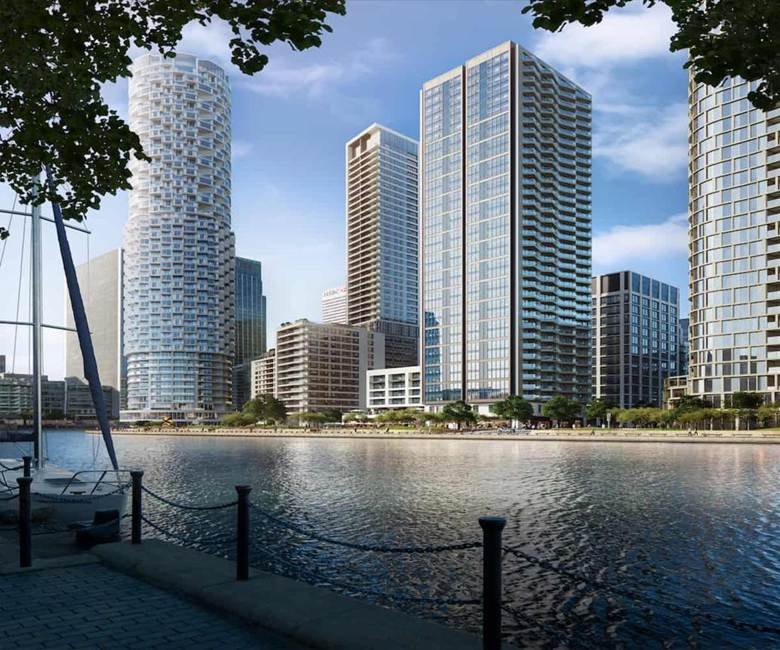
South Quay is immediately south of Canary Wharf’s central business district. It is a particularly practical choice for people who want to minimise their daily journey and prefer apartment living.
The local housing stock includes contemporary developments overlooking the docks, with some buildings offering facilities such as concierge services, gyms or communal areas. These features are building-specific, so check the actual facilities and any associated charges before committing to a tenancy or purchase.
What is it like to live in South Quay?
The area is shaped by its docks, residential towers and proximity to the office district. For a professional with a demanding schedule, that can make everyday life straightforward: the office, local shops, cafés and transport are within relatively close reach.
The trade-off is that South Quay does not offer the same traditional high street or historic neighbourhood feel as Limehouse or Greenwich. Its appeal rests more on convenience, contemporary housing and the waterside setting.
Pros
- Particularly convenient for many Canary Wharf workplaces.
- A broad choice of modern apartment developments.
- Close to the docks and the commercial centre.
Cons
- Limited choice if you want a traditional terraced house.
- Building amenities can add to monthly costs.
- The feel of the neighbourhood depends heavily on the individual development.
Best for: professionals who prioritise a convenient commute over a traditional residential setting.
Blackwall: best for transport connections and newer housing

Blackwall is north-east of Canary Wharf, close to Poplar and the River Thames. It is worth considering if you want to remain near the business district while widening your property search beyond the central Canary Wharf developments.
The area combines newer apartment schemes with older housing and established streets. It is also part of a wider area of east London experiencing substantial development, particularly around the Isle of Dogs and South Poplar.
Transport links
Blackwall DLR station serves the area, providing a connection towards Canary Wharf and other Docklands destinations. The most useful route will depend on the station nearest your prospective home and whether your office is closer to Canary Wharf, Heron Quays or another part of the business district.
What to consider before moving
Blackwall is not a single housing market. A flat in a recently completed development may offer very different surroundings from a home on an older residential street.
Pay attention to the immediate walking route, noise from major roads, construction activity and the distance to everyday shops. A property can look close on a map while being less convenient on foot than expected.
Best for: renters and buyers who want to remain close to Canary Wharf and are open to a mix of housing styles.
Poplar: best for a broader choice of homes and local character

Poplar is north of Canary Wharf and offers a different experience from the office-led centre. It has established residential neighbourhoods, local shopping areas and newer developments, giving house-hunters more than one type of property to consider.
The area is particularly relevant if you want to live near Canary Wharf but do not need to be within walking distance of the office every day.
Transport and everyday convenience
Poplar DLR station provides connections across Docklands, while other stations may be more convenient depending on the exact address. Chrisp Street Market is a notable local shopping destination, and the area has a mix of everyday services and residential streets.
The main practical question is location. Some parts of Poplar are well placed for Canary Wharf and the DLR; others may require a longer walk or a different route.
Is Poplar a good alternative to Canary Wharf?
It can be, particularly if you want a neighbourhood with more variation in its housing and local character. But avoid assuming every property will be cheaper than an equivalent flat in Canary Wharf. The building, size, condition, lease arrangements and proximity to transport all affect the comparison.
Advantages
- A mixture of established housing and new developments.
- Local shopping and community facilities.
- Access to Docklands transport links.
Limitations
- The area’s character changes from street to street.
- Construction and redevelopment can affect some locations.
- Commute times depend on the nearest practical station.
Best for: renters, first-time buyers and households seeking a wider range of housing options near the financial district.
6. Limehouse: best for riverside living and access to the City
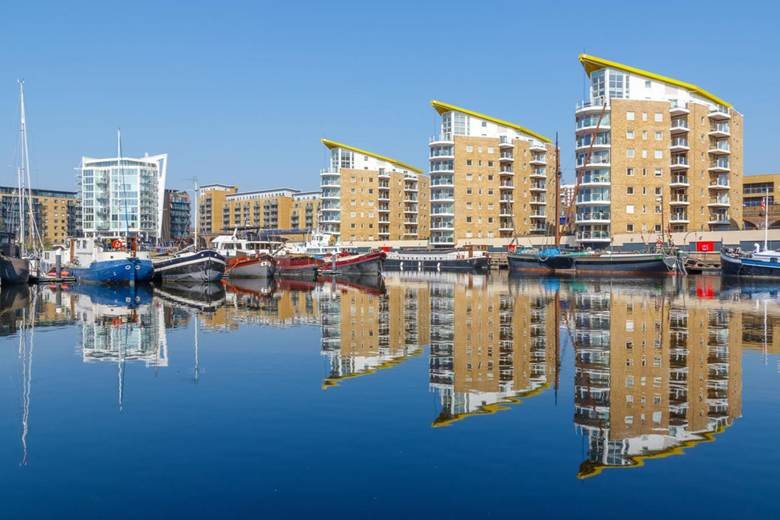
Limehouse is west of Canary Wharf and offers a different atmosphere from the newer residential towers around South Quay. The area has a maritime history, older housing, canal-side walks and a marina at Limehouse Basin.
It is particularly worth considering if you work in Canary Wharf but also want convenient access towards the City of London, Wapping and central London.
Transport links
Limehouse station is served by the DLR and c2c National Rail services. The DLR makes it useful for Canary Wharf, while National Rail connections provide another option for journeys elsewhere in London and beyond.
Your commute will depend on the walking distance to Limehouse station and the location of your workplace. Check the route from the actual property rather than relying on an area-wide estimate.
Lifestyle and amenities
Limehouse Basin is one of the area’s defining features. The marina and surrounding waterside paths offer a change of scene from the commercial environment of Canary Wharf.
The neighbourhood also has traditional pubs, local businesses and residential streets with a mix of older and newer homes. Its location makes it attractive to people who want access to both Docklands and the City.
There is a trade-off: the housing stock is varied, and some properties command a premium because of their setting. A canal-side flat, a converted building and a conventional residential property may have very different maintenance requirements and running costs.
Best for: City and Canary Wharf commuters who enjoy riverside walks, older architecture and a neighbourhood with a more established identity.
7. Greenwich: best for history, parks and a broader social life

Greenwich is a strong option if you want to work in Canary Wharf without making the financial district the centre of your home life.
The historic town centre has independent shops, cafés, pubs, restaurants and Greenwich Market. Nearby landmarks include the Cutty Sark, the National Maritime Museum and the Royal Observatory. Greenwich Park provides a large area of open space and views across London.
For many residents, the appeal is the combination of everyday amenities, historic surroundings and places to spend time outdoors.
How practical is the commute?
Greenwich has DLR and National Rail services. The DLR connects Greenwich and Cutty Sark stations with the Docklands network, while National Rail offers routes towards London Bridge and other destinations.
The most suitable option depends on where you live and which part of Canary Wharf you need to reach. A property close to Cutty Sark DLR station, for example, will have a different journey from one that is nearer Greenwich mainline station or further into the residential streets.
Who is Greenwich best for?
Greenwich is worth considering if you want more than a convenient weekday commute. Its historic attractions, park, local shopping and restaurants provide plenty to do at weekends without travelling into central London.
It can also suit households that want a more established neighbourhood rather than a home in a modern tower development.
The drawback is that the commute may be less convenient than living on the Isle of Dogs or in South Quay. Compare the total door-to-door journey, including walking time and any changes.
Best for: couples, families and professionals who value green space, historic surroundings and a well-established town centre.
Greenwich Peninsula: best for contemporary living near the Jubilee line
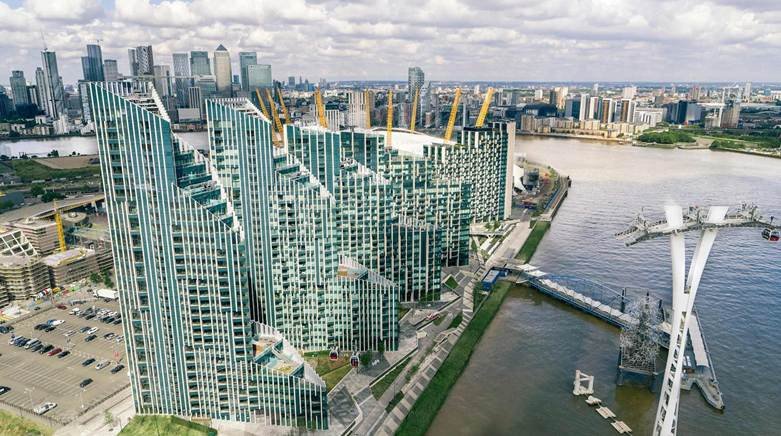
Greenwich Peninsula, on the southern side of the Thames, is another area to consider if you like modern apartments and want a relatively straightforward route to Canary Wharf.
The area includes residential developments around North Greenwich, public spaces and the O2. North Greenwich station is on the Jubilee line, which provides a direct rail connection to Canary Wharf.
What makes it different from Greenwich town centre?
Greenwich Peninsula is more development-led, with contemporary buildings and planned public spaces. Historic Greenwich, by comparison, has a more established town centre and a concentration of heritage attractions.
The peninsula may suit people who prefer newer apartments and access to major entertainment facilities. However, the experience can vary by development, and not every home will have the same access to shops, services or outdoor areas.
What should renters and buyers check?
Look at the exact walking route to North Greenwich station, the facilities available within the development and the cost of any service charges. If you are buying, examine the lease, building management arrangements and any relevant building-safety documentation.
Best for: professionals who want contemporary housing and a Jubilee line connection, and who are comfortable living across the river from Canary Wharf.
Blackheath: best for open space and a village-style centre

Blackheath is farther from Canary Wharf than the other neighbourhoods in this guide, but it deserves consideration for people who want more open space and a traditional village-style centre.
Its appeal is centred on the heath, independent shops, cafés, pubs and residential streets. It offers a different lifestyle from the high-rise districts around Canary Wharf, with a stronger emphasis on established housing and access to open land.
Is Blackheath practical for Canary Wharf commuters?
Blackheath has National Rail services, but it does not offer the same direct Jubilee line or Elizabeth line access as Canary Wharf itself. The best route depends on the destination and the available connections at the time of travel.
For that reason, Blackheath is a lifestyle-led choice rather than the obvious answer for someone who wants the shortest possible commute.
Advantages and drawbacks
Advantages
- Access to Blackheath’s open space.
- A traditional centre with local shops and places to eat.
- A wider choice of residential settings than the immediate Canary Wharf core.
Drawbacks
- A longer or more involved commute for many Canary Wharf workplaces.
- Property costs vary, and larger homes should not be assumed to offer better value.
- The convenience of public transport depends on the precise address.
Best for: households prioritising open space, established residential surroundings and a village-style centre over living immediately beside work.
How do the best areas near Canary Wharf compare?
The following comparison summarises the broad differences. It is a guide to neighbourhood character, not a statement that every street or property shares the same qualities.
| Area | Housing character | Green and outdoor space | Commuting appeal |
| Isle of Dogs | Modern flats, estates and established homes | Parks, docks and riverside paths | Excellent for many Canary Wharf workplaces |
| South Quay | Predominantly modern apartments | Dockside public spaces | Excellent for the central business district |
| Blackwall | New developments and older housing | Riverside and local open spaces | Strong DLR access |
| Poplar | Mixed residential housing | Local parks and waterside routes | Good in locations near DLR stations |
| Limehouse | Older homes, conversions and modern flats | Limehouse Basin and riverside walks | Useful for Canary Wharf and the City |
| Greenwich | Period homes, flats and newer developments | Greenwich Park and riverside routes | Good, depending on station and workplace |
| Greenwich Peninsula | Contemporary apartments | Peninsula public spaces and Thames-side routes | Direct Jubilee line access from North Greenwich |
| Blackheath | Established houses and flats | Blackheath itself | More dependent on National Rail and onward connections |
How much does it cost to live near Canary Wharf?
There is no single reliable price for living near Canary Wharf. Asking rents and property prices change with market conditions, and even nearby buildings can differ considerably.
A useful comparison should look at the full cost of a home rather than rent or purchase price alone.
If you are renting
Check:
- Monthly rent and the deposit required.
- Council tax band and the applicable local charge.
- Energy performance and likely heating costs.
- Whether heating, water or other utilities are included.
- Any parking, storage or other additional charges.
- The landlord’s arrangements for repairs and building management.
Modern apartments with concierge services, gyms and shared facilities may have higher rents or other costs than a simpler property. Do not assume those facilities are included in the rent.
If you are buying
Check:
- The asking price against recent comparable sales.
- Lease length, ground rent where applicable and service charges.
- The condition of the building and its communal areas.
- Any planned major works or building-safety requirements.
- Mortgage affordability, legal costs and ongoing maintenance.
- The property’s resale prospects and the supply of similar homes nearby.
For flats, service charges can make a substantial difference to affordability. Ask for the current service-charge budget and recent accounts, and investigate planned increases before making an offer.
How to compare prices properly
Use current property listings to establish asking-price ranges, then compare similar properties by size, condition, tenure and distance from transport. For purchase decisions, Land Registry sold-price records can provide useful context, although completed sales may lag behind the current market.
A cheaper property is not necessarily better value if the commute is longer, the building has high ongoing costs or the immediate surroundings do not suit your needs.
Which area is best for families, professionals and first-time buyers?
The most suitable neighbourhood depends on what you need from a home. These recommendations are starting points for a property search, not guarantees about affordability or suitability.
For professionals working in Canary Wharf
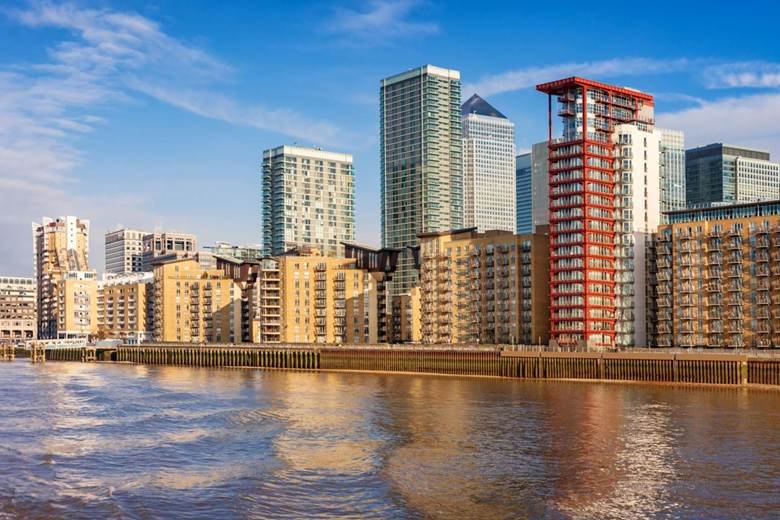
Start with South Quay, the Isle of Dogs and Blackwall. These areas make it easier to prioritise a short commute, although the best choice depends on your office location and budget.

For families
Explore Greenwich, Blackheath and suitable residential parts of the Isle of Dogs. Compare school admissions arrangements, property size, outdoor space and the route to work before deciding.

For first-time buyers
Add Poplar, Blackwall and the wider Isle of Dogs to your search. Compare the total cost of owning each property, including mortgage payments, service charges, insurance and maintenance.

For people who value character and riverside walks
Limehouse and Greenwich are worth exploring. Both offer a more established setting than the main business district, although their housing types and transport options differ.
What to check before renting or buying near Canary Wharf
A neighbourhood can look ideal on paper and still prove unsuitable once you experience the daily routine. Before making a decision, work through these practical checks.
Step 1: Test the commute at the right time
Use Transport for London’s journey planner to check routes from the specific property to your workplace. Canary Wharf has several connected transport options, but the nearest station can make a substantial difference to the journey.
If possible, travel during your normal commuting hours. Check the walk from the building to the station, changes between services, and the route home in the evening.
Step 2: Visit the neighbourhood on different days
Visit during a weekday morning, an evening and a weekend. Notice traffic, noise, activity around nearby shops and the condition of the streets you would use regularly.
If the property is near a major road or a development site, check how that affects the immediate surroundings.
Step 3: Compare the total housing cost
For a rental, add council tax and likely utility costs to the monthly rent. For a purchase, account for service charges, maintenance and other ownership costs.
Council tax depends on the property’s band and the applicable local authority charges. Tower Hamlets publishes its council tax bands and charges for the 2026–27 financial year.
Step 4: Check schools and local services if needed
Families should check school admissions criteria directly with the relevant local authority and school. A nearby school is not necessarily one where a child will be offered a place.
Also consider GP registration, childcare, supermarkets, pharmacies and the practical journey to any regular appointments.
Step 5: Inspect the property and its paperwork
For rented homes, check the tenancy agreement, deposit arrangements, repair responsibilities and energy performance information.
For purchases, review the tenure, lease length, service-charge history, planned works and relevant building-safety documents. Consider independent legal advice before exchanging contracts.
Step 6: Check flood risk where relevant
Some parts of the Isle of Dogs, Poplar and other riverside neighbourhoods sit in low-lying areas. That does not mean every property faces the same risk, but proximity to the Thames or a dock makes it sensible to check the exact address.
The Environment Agency provides flood-risk information and guidance for England. Check the property rather than concluding from the neighbourhood name alone.
Frequently asked questions
What are the best areas to live near Canary Wharf?
The Isle of Dogs, South Quay, Blackwall, Poplar, Limehouse and Greenwich are among the main options. South Quay and the Isle of Dogs suit people prioritising a short commute, while Greenwich and Limehouse offer different surroundings and lifestyle benefits.
Which areas are within walking distance of Canary Wharf?
Parts of the Isle of Dogs, South Quay and nearby Blackwall or Poplar may be within walking distance, depending on the exact address and destination. Check the pedestrian route rather than relying on straight-line distance.
Is Poplar a good place to live near Canary Wharf?
Poplar is worth considering because it combines established residential neighbourhoods, local shopping and newer developments. Its suitability depends on the specific street, transport connections and property.
Is Greenwich a good alternative to Canary Wharf?
Yes, particularly for people who value historic surroundings, parks, cafés and an established town centre. The trade-off is that commuting convenience varies by address and transport route.
Is Limehouse convenient for commuting to Canary Wharf?
Limehouse has DLR connections to Docklands and National Rail services for other destinations. It can suit people who need access to both Canary Wharf and the City, although the walking distance to the station matters.
Which areas near Canary Wharf are best for families?
Greenwich, Blackheath and suitable residential parts of the Isle of Dogs are worth comparing. Families should assess property size, parks, school admissions, childcare and the daily commute rather than choosing on reputation alone.
Are there affordable places to live near Canary Wharf?
Affordability depends on current listings, property size, transport access and ongoing costs. Consider Poplar and Blackwall alongside the Isle of Dogs, and compare total monthly costs rather than rent alone. No neighbourhood should be assumed to be cheaper without checking current evidence.
Is it better to rent or buy near Canary Wharf?
Renting can provide flexibility if you are new to the area or unsure how long you will stay. Buying may suit someone planning to remain longer, but requires a careful assessment of deposit requirements, mortgage affordability, service charges and resale considerations.
Which transport lines serve Canary Wharf?
Canary Wharf station is served by the Jubilee line, Elizabeth line and DLR. Nearby stations provide additional options, including National Rail connections at Limehouse and Greenwich. Check the route for your actual journey and travel time.
How can I check property prices near Canary Wharf?
Compare current listings for similar properties and use HM Land Registry’s property-price services to review completed sales. Asking prices and completed sale prices are different measures, and neither alone establishes the value of a specific home.
Conclusion: choosing the right neighbourhood near Canary Wharf
The best areas to live near Canary Wharf offer different combinations of convenience, housing choice and neighbourhood character. The Isle of Dogs and South Quay are natural starting points for people who want a short commute. Blackwall and Poplar widen the search to areas with mixed housing and ongoing development. Limehouse offers riverside character and access towards the City, while Greenwich and Blackheath appeal to people who place greater emphasis on parks, established communities and local amenities.
The right choice comes down to the property as much as the postcode. Compare the commute, visit the street at different times, check the full housing costs and investigate the building before committing.
For most house-hunters, a practical next step is to shortlist three neighbourhoods, compare current rental or sales listings and test the journey to work from each. That will give you a clearer picture of which location offers the best balance for your circumstances.