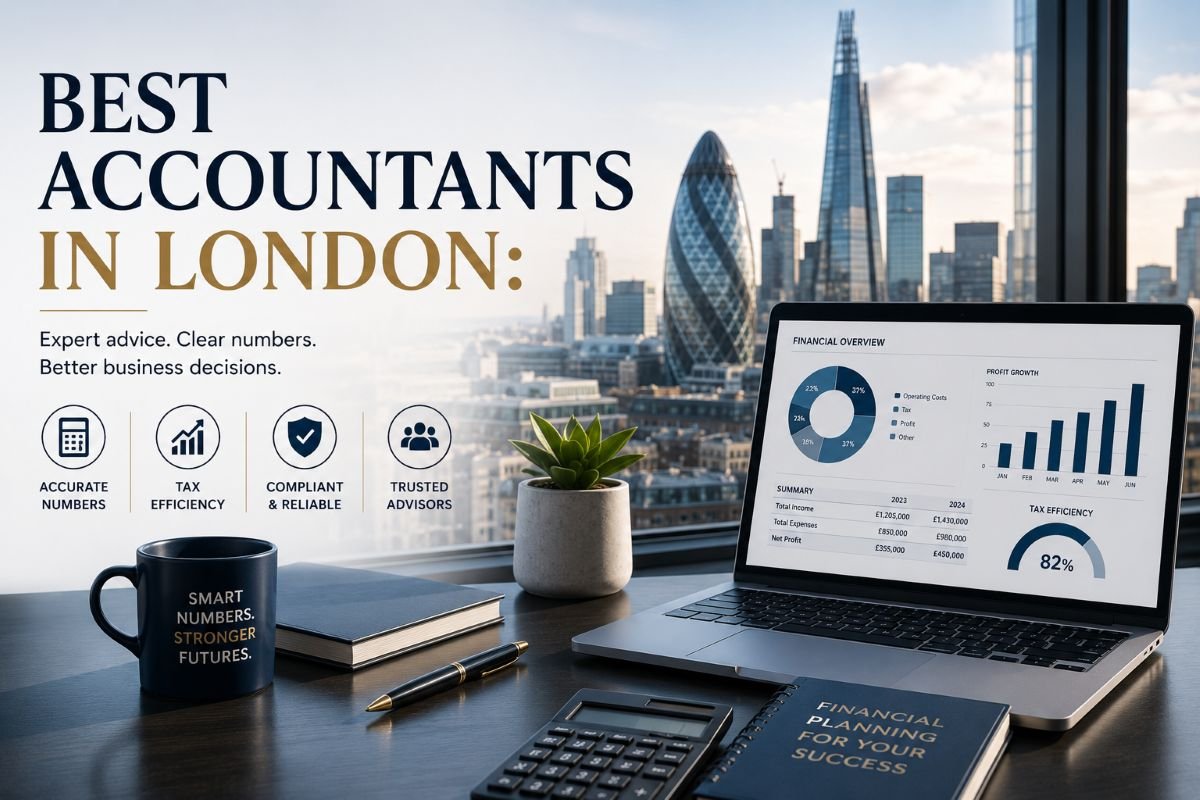
Finding the best accountants in London is less about choosing the biggest name and more about finding a firm that understands your financial situation, industry, and plans.
London has accountants ranging from small independent practices serving sole traders and freelancers to large professional firms handling audits, international tax, corporate finance and complex private-client work. That gives businesses and individuals plenty of choice, but it can also make the decision harder.
Professional qualifications, relevant experience, services, communication and regulatory status should all form part of the assessment.
The Institute of Chartered Accountants in England and Wales (ICAEW), for example, operates an official directory where users can search for Chartered Accountants and firms by location and specialism. ACCA also provides a directory of accountancy firms with filters for services and sector expertise.
This guide looks at established London accountancy firms and explains what each may be particularly suited to, alongside practical advice for comparing accountants before making an appointment.
Best accountants in London: what should you look for?
There is no universal definition of the “best” accountant.
A freelancer in Hackney may need straightforward Self Assessment and bookkeeping. A technology company in Shoreditch may want management accounts, VAT support, payroll and advice on growth. A property investor in Kensington could require specialist tax planning, while a larger company in the City may need an audit and corporate advisory services.
The right choice should therefore be based on fit rather than reputation alone.
When comparing accountants in London, look at:
- Professional qualifications and regulatory status
- Experience with businesses or individuals like you
- Services included in the engagement
- Tax and accounting specialisms
- Experience in your industry
- Use of cloud accounting software
- Payroll and VAT capabilities
- Availability and communication
- Pricing structure
- Whether the firm can support you as your circumstances change
HMRC recommends checking an agent’s professional qualifications or membership of an accountancy or tax professional body. It also advises prospective clients to contact several agents, understand what they charge, and meet the person who will actually handle their affairs.
A selection of leading accountants in London
The firms below have been selected because they have established London operations and publicly documented accounting, tax, audit or advisory capabilities. They are not presented as a ranked 1–10 list.
1. Forvis Mazars
Forvis Mazars is a substantial professional services firm with a central London office at 30 Old Bailey, London EC4M 7AU.
Its London operation provides audit and assurance, accounting technical services, corporate and personal tax, VAT, internal audit, consulting, financial planning and corporate finance. The firm says its London team has more than 1,500 people and works across a wide range of specialist services.
- May suit: Larger businesses, growing companies, organisations requiring audit or specialist tax advice, and clients with international requirements.
- Particular strengths: audit, tax, advisory, corporate finance and international work.
- Consider: A large professional firm may offer considerably more specialist capability than a sole trader needs.
2. Azets

Azets has a London office at 16 Great Queen Street, Covent Garden, and offers accounting, tax and advisory services to businesses and individuals.
The London team states that it works with more than 1,500 clients and has more than 150 professionals. Its listed sector experience includes technology, property and construction, healthcare, retail, manufacturing, arts and media, and charities. Services include compliance, payroll, forensic accounting, and restructuring and insolvency.
- May suit: SMEs, growing companies, and organisations looking for a broad range of accountancy and advisory services.
- Particular strengths: SME support, tax, payroll, forensic accounting, restructuring and sector-specific advice.
- London location: Covent Garden, close to the West End.
3. Saffery

Saffery has a City of London office and provides accounting, audit, tax and business advisory services.
Its published London specialisms include private wealth, international and non-domiciled clients, charities and not-for-profits, film and television, sports and entertainment, real estate, recruitment, professional practices and entrepreneurs. The firm says its London office is home to more than 400 partners and staff.
- May suit: Entrepreneurs, professional practices, private clients and businesses requiring specialist tax or advisory work.
- Particular strengths: private wealth, international tax, entrepreneurs, professional practices and sector-specific accounting.
The office is particularly convenient for businesses around Mansion House, Cannon Street, Bank, Blackfriars and St Paul’s.
4. PKF Littlejohn

PKF Littlejohn is based in London’s financial district and forms part of the PKF international network.
Its published areas of specialist expertise include capital markets, international insurance, not-for-profit organisations, hotels, investment funds and technology. It also works with private clients and high-net-worth individuals. PKF describes its London operation as having more than 300 people, including 35 partners.
- May suit: Companies operating in financial services, capital markets, technology, hospitality and not-for-profit sectors.
- Particular strengths: audit, corporate and international work, capital markets and specialist sectors.
This is a firm worth considering when the accounting requirement extends well beyond routine bookkeeping and annual accounts.
5. MHA

MHA’s London office is in Barbican, within the City of London.
The firm describes itself as a top-14 UK firm of Chartered Accountants and says its London team provides compliance and business advice to small and entrepreneurial businesses, multinationals and high-net-worth individuals. Its services include audit and assurance and tax, alongside wider specialist support.
- May suit: Entrepreneurs, established SMEs, larger businesses and individuals who need a broad accountancy relationship.
- Particular strengths: audit, tax, compliance and business advice.
Its Barbican location also makes it practical for businesses operating around Moorgate, Farringdon, Clerkenwell and the wider City.
6. HW Fisher
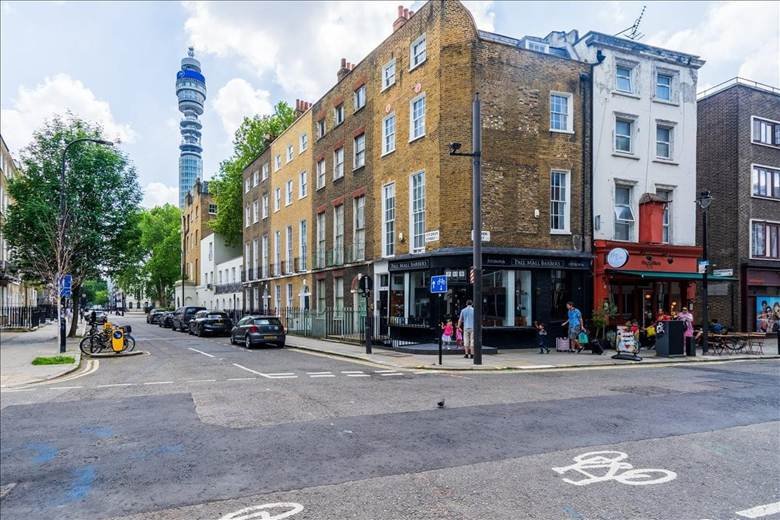
HW Fisher is a London-based accountancy and advisory practice with its office at Acre House, 11–15 William Road, London NW1 3ER.
The firm’s services cover audit, business solutions, corporate tax, VAT, company secretarial work, CFO services, forensic accounting and transaction services. It also provides personal tax and private-client services.
It lists sector experience covering technology, property, entertainment and media, sports, professional services, restaurants and hospitality, authors and journalists, and the not-for-profit sector.
- May suit: Entrepreneurial SMEs, creative businesses, professional individuals and companies needing specialist advisory support.
- Particular strengths: entrepreneurs, entertainment and media, property, technology, private clients and advisory work.
7. Price Bailey

Price Bailey‘s City of London office is at Dashwood House, 69 Old Broad Street, close to Liverpool Street Station.
The firm provides auditing, bookkeeping and annual accounts, business strategy, cloud accounting, corporate finance, payroll, forensic accounting, insolvency and recovery, tax and VAT advice and trust services.
Its London City team works with owner-managed businesses, larger corporate companies, overseas businesses and private individuals. It also highlights expertise in charities, healthcare, professional services and technology and digital media.
- May suit: Owner-managed companies, SMEs and organisations needing a mixture of accounts, tax and advisory services.
- Particular strengths: cloud accounting, payroll, corporate finance, tax, VAT and insolvency.
8. Gravita

Gravita’s London office is at Aldgate Tower, 2 Leman Street, London E1 8FA.
The firm provides accounting, audit, tax, advisory and managed business services. Its London operation says it has more than 250 team members and works with businesses and individuals across a range of needs.
Its specialist areas include corporate and personal tax, payroll, outsourced finance, audit, transaction tax and advisory work. Gravita also has expertise relating to sectors such as property, hospitality, retail, media and professional services.
- May suit: Growing businesses, owner-managed companies and clients needing accounting combined with tax or advisory support.
- Particular strengths: technology-enabled accounting, tax, audit, outsourcing and business advisory.
9. Blick Rothenberg
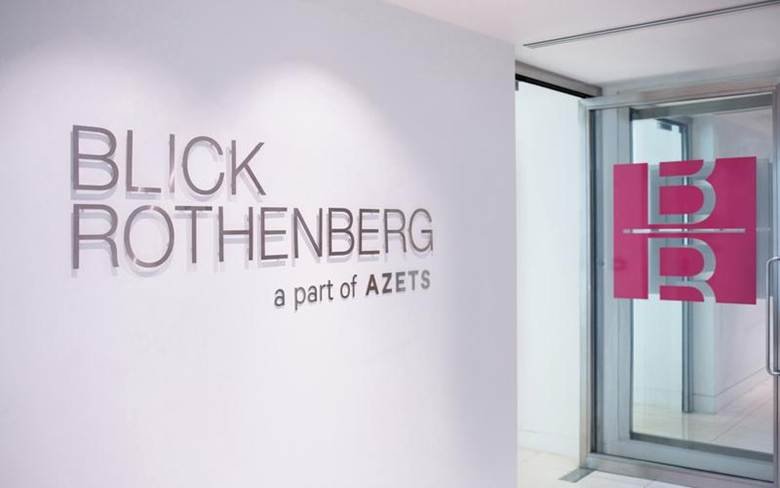
Blick Rothenberg is a London-based tax, accounting and business advisory firm with a Covent Garden presence.
Its services include audit, accounting and outsourcing, private-client tax, international services, global mobility, transaction services and business advisory.
The firm has particular expertise in areas including international expansion, financial services, private clients and businesses operating across borders. Its team also includes specialists working with non-UK resident and internationally connected clients.
- May suit: International businesses, entrepreneurs, private clients, financial-services companies and people with UK/international tax considerations.
- Particular strengths: international tax, private clients, financial services and cross-border accounting.
Which type of London accountant do you need?
The best firm for you depends heavily on what you actually need.
| Your situation | What to look for |
| Sole trader | Self Assessment, bookkeeping and tax advice |
| Freelancer | Self Assessment, expenses, VAT and bookkeeping |
| Limited company | Statutory accounts, Corporation Tax and payroll |
| Start-up | Company formation advice, accounting software, tax and forecasting |
| Growing SME | Management accounts, tax planning, payroll and business advice |
| Landlord | Property accounts and personal tax expertise |
| Property business | Property tax, VAT, accounts and transaction advice |
| High-net-worth individual | Private-client tax, trusts and estate planning |
| International business | Cross-border tax and international accounting |
| Larger company | Audit, assurance, tax and corporate advisory |
| Company in financial difficulty | Restructuring and insolvency advice |
This is one reason simply searching for the “cheapest accountant in London” can be misleading. The lowest initial fee may not represent the lowest overall cost if you subsequently need specialist tax, payroll or business advice.
How much does an accountant in London cost?
There is no reliable single price for accountancy services across London.
Fees can vary substantially according to:
- Your business structure
- Number of transactions
- Annual turnover
- Number of employees
- VAT registration
- Payroll requirements
- Complexity of your tax affairs
- Whether accounts need an audit
- International transactions
- Property ownership
- Business advisory requirements
- How much bookkeeping you handle yourself
A basic Self Assessment return is fundamentally different from preparing statutory accounts for a growing limited company or advising on a company acquisition.
Ask each accountant for a clear explanation of what the quoted fee covers.
For example, check whether the package includes:
- Annual accounts
- Corporation Tax return
- VAT returns
- Payroll
- Bookkeeping
- Self Assessment
- Companies House filing
- Tax planning
- Management accounts
- Software
- Meetings and ongoing advice
A low headline price can become less attractive if essential services are charged separately.
What qualifications should a London accountant have?
“Accountant” is not, by itself, a guarantee of a particular professional qualification.
ICAEW advises people considering accountancy services to check qualifications and experience and says using an ICAEW Chartered Accountant or regulated firm assures that the professional is qualified and accountable. Its official directory allows searches by location and specialism.
ACCA also operates a searchable directory of accountancy firms and allows users to filter firms by sector expertise, services and certificates.
Common professional designations include:
- ACA – associated with ICAEW Chartered Accountants
- ACCA – Association of Chartered Certified Accountants
- CTA – Chartered Tax Adviser
- CIMA – Chartered Institute of Management Accountants
The relevant qualification depends on the work involved.
For example, someone requiring complex tax advice may place greater emphasis on tax qualifications and specialist experience, while a company requiring a statutory audit should check that the firm has the appropriate audit authorisation.
Why professional regulation matters
Professional membership is useful, but it should not be treated as the only factor.
A good accountant should also have relevant experience and be able to explain financial matters clearly.
HMRC specifically advises taxpayers to check an agent’s professional qualifications or membership of an accountancy or tax professional body. It also points out that HMRC does not regulate tax agents and that anyone can call themselves a tax agent.
For an individual or business handing over sensitive financial information, that distinction matters.
Before appointing an accountant, check:
- Their professional membership.
- Whether the firm is appropriately regulated for the services you require.
- Their experience with your type of client.
- Their approach to data and document security.
- Their engagement terms.
- Who will actually manage your account.
Why London businesses should understand Making Tax Digital
Making Tax Digital has become an important consideration when choosing an accountant.
From 6 April 2026, sole traders and landlords with qualifying income above £50,000 have been required to use Making Tax Digital for Income Tax, subject to the applicable rules and exemptions. HMRC says affected taxpayers need compatible software, digital records and quarterly updates. (GOV.UK)
The next stages are also relevant.
HMRC guidance states that the threshold falls to more than £30,000 from 6 April 2027, based on the relevant previous-year qualifying income, and to more than £20,000 from 6 April 2028 under the announced staged approach.
That makes software capability an increasingly useful question to ask an accountant.
Ask:
- Which accounting software do you support?
- Can you manage Making Tax Digital on my behalf?
- Who reviews my digital records?
- How are quarterly updates handled?
- What additional fee applies?
- Can I access my financial information myself?
HMRC does not provide the software itself for Making Tax Digital for Income Tax, so compatibility is an important practical consideration.
What should a limited company ask an accountant to handle?
A limited company may require much more than annual accounts.
Depending on its circumstances, services can include:
- Statutory accounts
- Corporation Tax
- Companies House filing
- VAT
- Payroll
- PAYE
- Dividend planning
- Bookkeeping
- Management accounts
- Cash-flow forecasting
- Company secretarial work
- Tax planning
- Business restructuring
- Financial forecasting
Companies House currently states that private companies normally have nine months after the end of their accounting reference period to file annual accounts. Corporation Tax is normally due nine months and one day after the end of the accounting period, while the Company Tax Return deadline is normally 12 months after the end of the accounting period.
A good accountant should help a business understand these obligations rather than simply submitting paperwork shortly before deadlines.
How to choose the best accountant in London: a practical process
1. Write down what you need
Before contacting firms, list your requirements.
For example:
Limited company + annual accounts + Corporation Tax + VAT + payroll + bookkeeping.
This makes comparing quotes much easier.
2. Shortlist three to five firms
Don’t rely solely on Google rankings or review scores.
Look at professional directories such as ICAEW and ACCA and compare firms based on specialism, qualifications, and experience.
3. Check industry experience
An accountant who regularly works with construction companies may understand CIS and industry-specific issues better than a generalist.
Likewise, technology businesses, landlords, healthcare professionals, restaurants and international companies can have very different accounting requirements.
4. Ask who will manage your account
A firm’s size does not necessarily tell you how accessible your accountant will be.
Ask:
- Who is my main contact?
- Who prepares my accounts?
- Who reviews them?
- Can I speak to a partner when necessary?
- How quickly are queries normally answered?
5. Get the fee in writing
Ask for a breakdown rather than simply asking:
“How much do you charge?”
Find out what is included and what is considered an additional service.
6. Check software compatibility
If you already use accounting software, ask whether the accountant supports it.
If you’re affected by Making Tax Digital, confirm that the proposed system meets the relevant HMRC requirements.
7. Check the engagement terms
Understand what you are appointing the accountant to do and what remains your responsibility.
HMRC stresses that taxpayers remain responsible for the figures on their tax return even when they use an agent. It also warns taxpayers never to give an agent their HMRC online-service sign-in details or sign a blank return.
Should you choose a large or small London accounting firm?
Neither is automatically better.
| Larger firm | Smaller practice |
| Broad specialist teams | Often more personal contact |
| Strong international capabilities | Can be well suited to local SMEs |
| Audit and corporate finance capabilities | Often focused on core accounting and tax |
| Useful for complex organisations | May be easier for routine needs |
| Potentially more layers of service | Potentially more direct access to the owner or partner |
A large firm can make sense if your business is expanding internationally or needs audit, transaction advice or several specialist disciplines.
A smaller practice may be a better fit for a freelancer, contractor, family business or straightforward SME that mainly needs accounts, tax and bookkeeping.
The important question is not “Which is bigger?” but “Which has the expertise I actually need?”
London areas with strong accountancy presence
London’s financial and professional-services sector means accountants are spread across many parts of the capital.
The City of London remains a major centre, with firms around Bank, Mansion House, Cannon Street, Liverpool Street and Old Broad Street.
Covent Garden and the West End are also home to accountancy practices, making them convenient for businesses around Soho, Holborn, Bloomsbury and Westminster.
Other areas with established professional-services activity include:
- Canary Wharf
- Barbican
- Aldgate
- Mayfair
- Marylebone
- Islington
- Camden
- Southwark
- Hammersmith
- Wimbledon
- Harrow
- Croydon
However, location is less important than it once was. Many accountants now work through cloud accounting platforms and hold meetings online.
For routine services, an excellent accountant in another London borough may be more suitable than an average firm five minutes from your office.
Pros and cons of using an accountant
Pros
- Saves time on routine financial administration
- Helps reduce avoidable filing mistakes
- Provides access to tax knowledge
- Can improve financial reporting
- Can assist with business planning
- Helps businesses understand compliance obligations
- Can provide specialist advice when circumstances become complicated
Cons
- Professional fees add to business costs
- You still need to provide accurate records
- A poor fit can lead to frustrating communication
- Some services may attract additional charges
- Not every accountant has expertise in every tax or industry issue
An accountant should complement your financial management, not replace it completely.
You should still understand the broad financial position of your business.
Questions to ask before hiring an accountant
A first meeting should be more than a discussion about price.
Ask:
- Are you professionally qualified and regulated?
- Do you regularly work with businesses like mine?
- Which services are included in the quoted fee?
- What costs extra?
- Who will handle my account?
- How often will we communicate?
- Which accounting software do you support?
- Can you help with Making Tax Digital if I need it?
- Do you provide tax planning as well as compliance?
- Can you provide references or examples of relevant experience?
The answers should give you a much clearer picture than an online star rating alone.
Quick comparison: London accountancy firms
| Firm | London focus | Useful for |
| Forvis Mazars | Old Bailey / City | Audit, tax, advisory, larger organisations |
| Azets | Covent Garden | SMEs, tax, payroll, advisory |
| Saffery | City | Entrepreneurs, private clients, specialist sectors |
| PKF Littlejohn | Canary Wharf | Capital markets, technology, financial services |
| MHA | Barbican | SMEs, entrepreneurs, tax and audit |
| HW Fisher | Central London | Entrepreneurial businesses, private clients, specialist sectors |
| Price Bailey | Liverpool Street / City | SMEs, accounts, tax, cloud accounting |
| Gravita | Aldgate | Growing businesses, tax, audit, outsourcing |
| Blick Rothenberg | Covent Garden | International tax, private clients, financial services |
This table is intended as a starting point rather than a ranking. Firms differ significantly in size, specialism and client profile.
How London businesses can avoid common accountancy mistakes
One of the most common mistakes is choosing an accountant based solely on the cheapest quote.
Another is assuming that annual accounts are all a business needs.
Businesses can benefit from asking whether an accountant can also help with:
- Cash-flow planning
- Tax deadlines
- VAT
- Payroll
- Management information
- Business structure
- Forecasting
- Investment decisions
- Succession planning
- Growth and financing
A further mistake is leaving accounting records until the end of the year.
Good records make it easier to understand profitability, identify cash-flow problems and provide an accountant with accurate information.
For companies, late filing can also lead to penalties. Companies House advises businesses to check their specific filing deadline and stresses that accounts must be accepted by the deadline; rejected accounts after the deadline can still result in a late filing penalty. (GOV.UK)
FAQ
What are the best accountants in London?
There is no single best accountant for everyone. Established firms such as Forvis Mazars, Azets, Saffery, PKF Littlejohn, MHA, HW Fisher, Price Bailey, Gravita and Blick Rothenberg offer different combinations of accounting, tax, audit and advisory services. The right choice depends on your circumstances and the services you need.
How much does an accountant cost in London?
There is no standard London-wide fee. Costs depend on the complexity of your tax affairs, business structure, turnover, bookkeeping, VAT, payroll, audit requirements and advisory needs. Always ask for a written breakdown of what is included.
Should I use a Chartered Accountant?
A Chartered Accountant can provide an additional level of professional assurance, particularly where you need specialist accounting or audit services. ICAEW recommends checking an accountant’s qualifications, experience and regulatory status before appointment.
Do I need an accountant as a sole trader?
Not necessarily. A sole trader can handle their own tax affairs, but an accountant can save time and provide advice on tax, expenses, bookkeeping and business decisions. Making Tax Digital is also increasingly relevant to sole traders with qualifying income above the relevant thresholds.
Can an accountant deal with HMRC for me?
Yes. An authorised tax agent can deal with HMRC on your behalf for relevant matters. However, HMRC makes clear that you remain responsible for the information submitted on your tax return. You should also never give your HMRC online-service sign-in details to an agent. (
What should I ask an accountant before hiring them?
Ask about qualifications, relevant experience, services included, additional fees, software, communication, deadlines and who will manage your account. It is sensible to speak to several firms before deciding.
Can London accountants help with Making Tax Digital?
Many accountants can support clients with Making Tax Digital, but you should confirm this before appointment. HMRC requires affected sole traders and landlords to use compatible software and maintain digital records.
Do limited companies need an accountant?
A limited company does not necessarily have to appoint an accountant, but it has statutory filing and tax responsibilities. These include annual accounts and Corporation Tax obligations. A professional accountant can help manage these requirements and provide additional financial advice.
The best accountant is the one that fits your circumstances
There are excellent accountants across London, but the right choice varies considerably.
A sole trader in Islington may need little more than Self Assessment, bookkeeping and occasional tax advice. A property company in Kensington could need specialist property tax expertise.
A technology company around Shoreditch or Old Street may need management accounts, R&D-related advice, payroll and funding support. A financial-services company in Canary Wharf may require audit and highly specialised regulatory and tax knowledge.
That is why a sensible shortlist should start with your requirements rather than a generic ranking.
Check professional credentials, compare relevant experience, ask exactly what is included in the fee, and make sure the accountant understands your industry. ICAEW’s directory and ACCA’s firm search are useful starting points for verifying professional credentials and finding firms by location or expertise.
For businesses affected by Making Tax Digital, software capability should now be part of that conversation too.
For readers using London City Directory, the next practical step is to compare accountants by location, service, business type and specialist expertise, rather than simply choosing the first firm that appears in search results.