
Soho is one of the most recognisable neighbourhoods in central London, known for its restaurants, theatres, independent shops, music venues and nightlife. But living here is a different experience from visiting for dinner or a night out. The streets that make Soho exciting can also bring noise, crowds, limited outdoor space and a high cost of housing.
So, is Soho a good place to live? For people who value a central location, walkable streets, cultural attractions and easy access to other parts of London, the answer can be yes. For households looking for quiet residential roads, larger homes, gardens or better value for money, somewhere outside the West End may be a more practical choice.
Located within the City of Westminster, Soho sits close to Covent Garden, Fitzrovia, Mayfair, Chinatown and the wider West End. Its mix of homes, businesses and entertainment venues gives it a character that is difficult to replicate elsewhere in the capital. Westminster City Council’s Soho Neighbourhood Plan recognises the area’s overlapping residential, cultural, commercial and nightlife interests.
This guide examines what day-to-day life in Soho is really like, from housing and transport to noise, amenities and nearby green spaces. It also considers who is likely to enjoy living here, what to check before renting or buying, and which neighbouring areas might suit different budgets and lifestyles.
What is it like to live in Soho, London?
Living in Soho means sharing a relatively compact central London neighbourhood with residents, office workers, theatre audiences, shoppers and people visiting its restaurants and bars. The pace can change dramatically throughout the day. Mornings may feel more businesslike, afternoons bring shoppers and diners, and evenings often see the streets fill with people heading to shows or meeting friends.
The area’s identity comes from its mixture of uses. Historic buildings sit alongside modern developments, independent businesses operate close to international brands, and residential properties are woven into streets associated with entertainment and hospitality. Westminster City Council recognises this combination in its planning policies for Soho.
For residents, that creates two distinct sides to everyday life.
On the positive side, much of central London is within walking distance. A spontaneous meal, a trip to the theatre or an evening at a music venue need not involve a long journey home. Everyday errands can also be convenient, with shops, cafés and food outlets spread across the neighbourhood.
The other side is the lack of separation between residential life and commercial activity. A flat above a restaurant or close to a late-opening venue may experience noise, deliveries and street activity at times when residents want to rest.
Soho can be an excellent home for someone who enjoys city life at close quarters. The important question is whether you want to live in the West End as it actually operates, rather than the quieter version you might imagine after a pleasant daytime visit.
The biggest advantages of living in Soho
1. Excellent access to central London
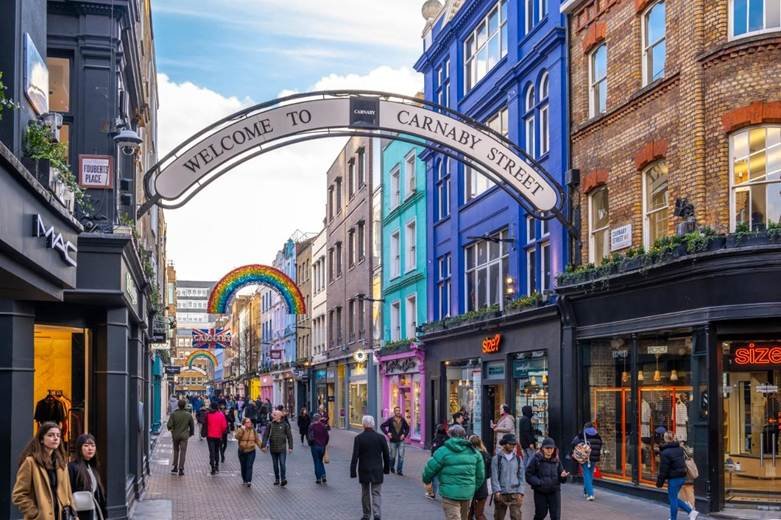
Soho is well positioned for the West End, Oxford Street, Covent Garden, Leicester Square and much of Fitzrovia. Walking can be the most convenient option for many short journeys, particularly if your workplace or social life is in central London.
2. Restaurants and cafés close to home
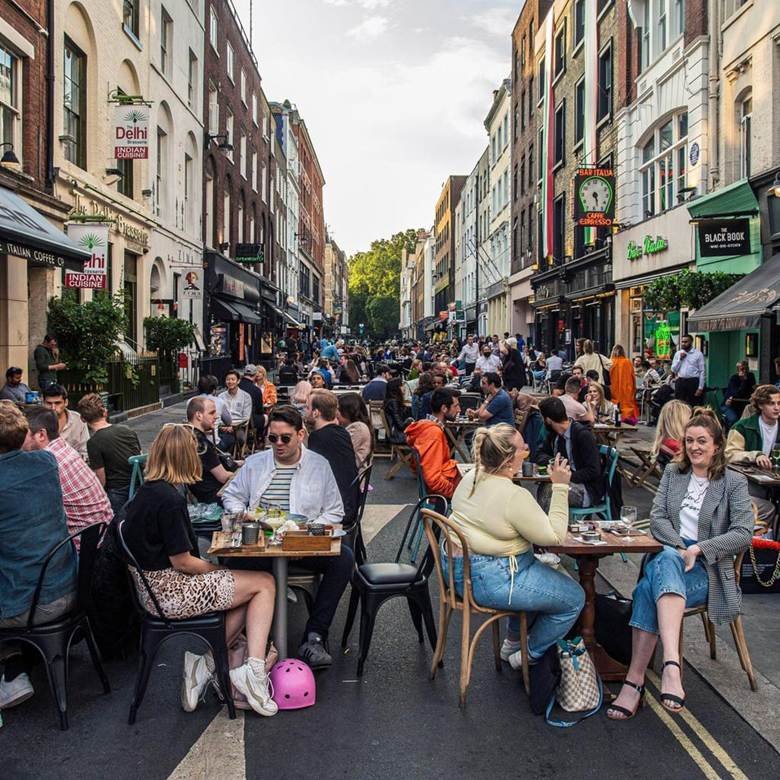
From Chinatown’s food businesses to the restaurants around Greek Street and Kingly Court, residents have an unusually broad choice of places to eat. That is useful for people who enjoy trying different cuisines or prefer to eat out regularly.
3. Culture and entertainment on your doorstep

Theatres, jazz clubs, cinemas, galleries, pubs and live-music venues are part of the local environment. Ronnie Scott’s on Frith Street is one of Soho’s best-known music institutions, while Shaftesbury Avenue provides access to the West End theatre scene.
4. A distinctive historic setting
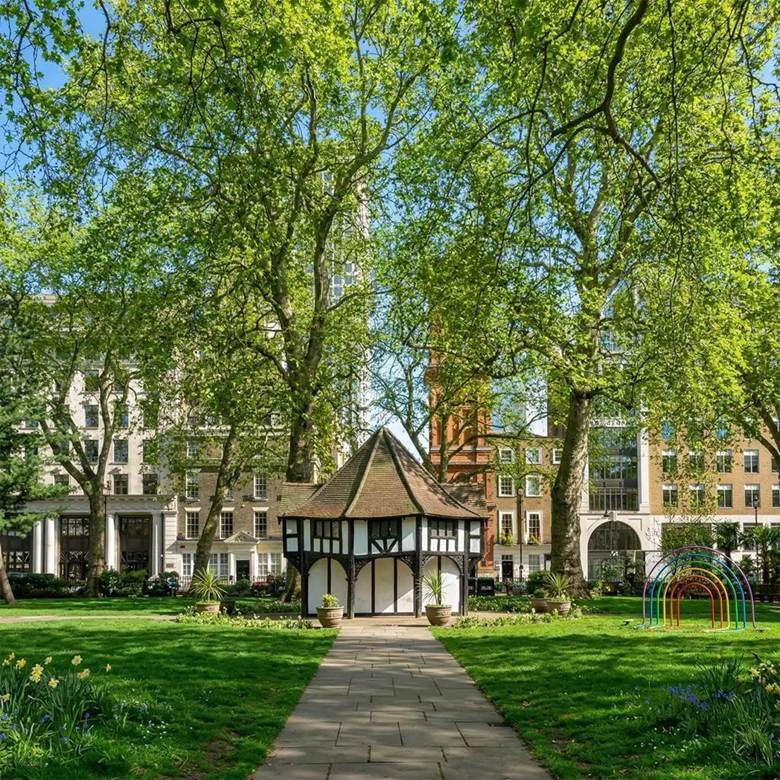
Soho’s streets contain buildings and layouts shaped by several centuries of development. Westminster’s conservation-area guidance identifies its architectural and historic interest, making heritage an important part of the neighbourhood’s identity.
These advantages are most valuable if you genuinely use them. Someone who regularly attends performances, eats out and works nearby may get considerably more from living in Soho than someone who spends most of the week commuting elsewhere and wants a peaceful home.
The disadvantages: what should you consider before moving?
Noise can be a genuine issue
Noise is one of the most important considerations when assessing a property in Soho. Restaurants, bars, theatres, deliveries, traffic and late-night crowds all contribute to the area’s sound environment.
Westminster City Council published a Soho Monitoring Study in March 2026 covering noise, air quality, traffic and movement. The council’s wider environmental guidance also recognises the challenges of managing residential amenity in an intensely commercial urban environment.
That does not mean every home is noisy. A flat on a quieter side street, in a well-insulated building or away from late-opening premises may offer a very different experience from a bedroom facing a busy entertainment street.
Before committing to a property:
- Visit the street during a weekday evening and again on Friday or Saturday.
- If possible, inspect the flat at a time when nearby venues are operating.
- Check the bedroom’s position relative to bars, restaurants, extraction systems and delivery areas.
- Ask about glazing, sound insulation and any history of noise complaints.
- Listen with the windows open as well as closed.
Do not rely entirely on a daytime viewing. For anyone sensitive to noise, this simple check could be the difference between enjoying Soho and regretting the move.
Housing can be expensive for the space available
Soho is a central West End location, and housing costs reflect its position. Rental listings range from compact studios to expensive larger flats, with substantial differences according to size, condition, building facilities and exact location. Current property listings illustrate how widely asking rents can vary.
The key issue is value rather than price alone. A small flat may be acceptable if it saves a lengthy commute and puts favourite restaurants, shops and cultural venues nearby. The same property may feel poor value if you need a separate home office, generous storage or room for a growing family.
When comparing properties, calculate the full monthly cost, including:
- Rent or mortgage payments.
- Council tax and utilities.
- Any service charge or ground rent relevant to a purchase.
- Broadband and mobile coverage.
- Transport costs for journeys beyond walking distance.
- Storage, parking or other practical services you may need.
For renters, ask what is included in the advertised rent. For buyers, review the lease, building accounts, planned maintenance and any major works before making an offer.
Green space is limited
Soho is not the obvious choice for someone who wants a large park just outside the front door. Soho Square and Golden Square provide small green spaces within the neighbourhood, but they are not substitutes for extensive parkland.
Residents can travel or walk to larger central London green spaces, depending on their starting point, but that requires more planning than living beside a substantial park.
If outdoor exercise, dog walking or regular time in nature is central to your routine, look carefully at the route from a prospective home to the nearest suitable space. Do not assume that a map showing a nearby square means you will have easy access to the kind of outdoor environment you want.
Crowds and deliveries are part of daily life
The streets that attract visitors can be busy even when you are simply trying to get home with shopping. Weekend evenings, major events and popular dining periods can bring queues and concentrated pedestrian activity.
Commercial premises also need supplies, waste collection and maintenance. Westminster’s environmental guidance identifies deliveries and collections among the potential sources of urban noise.
This matters particularly if your home is above a business or near a service entrance. Check the rear of the building as well as its main frontage, and ask how waste is stored and collected.
Is Soho a good place to live for different types of residents?
There is no single answer for everyone. Your work, budget, household size and preferred routine will make a significant difference.
| Resident type | Suitability | Why |
| Young professionals working in central London | Very good | Convenient location, walkability and a wide choice of restaurants and entertainment |
| People who enjoy nightlife | Very good | Pubs, bars, theatres and music venues are close by |
| Couples without children | Good to very good | A strong fit for people who value location and urban culture over space |
| Remote workers | Depends | Cafés and amenities are convenient, but home-office space and daytime noise need checking |
| Families with young children | Depends | Schools and amenities require careful assessment, while outdoor space and larger homes may be harder to find |
| Light sleepers | Potentially difficult | Noise varies significantly by street, building and proximity to venues |
| People seeking affordable housing | Often challenging | Central location and limited space can make value for money harder to achieve |
| People who want a garden or large park nearby | Less suitable | Local squares are useful but offer limited space compared with major parks |
Treat this as a guide to lifestyle fit rather than a guarantee. Two flats on neighbouring streets can offer very different experiences, and individual budgets vary considerably.
Is Soho a good place to live for families?
Soho can work for families, but it requires more careful planning than some residential neighbourhoods in London. The wider area has homes, local services, and schools, but availability and suitability depend on the exact address and the children’s ages.
Soho Parish Church of England Primary School is located at 23 Great Windmill Street, providing a local primary-school option.
Families should still check admissions criteria, catchment arrangements where applicable, school performance information and the journey from a prospective home.
The main practical considerations are space and routine. A family may need separate bedrooms, storage for pushchairs and bicycles, access to outdoor play areas and a home that remains comfortable during busy evenings. These requirements can narrow the housing options considerably.
Before choosing Soho for family life, consider:
- School access: check admissions arrangements directly with the relevant school and council.
- Outdoor space: assess the walk to Soho Square, Golden Square and larger parks further away.
- Noise: inspect bedrooms in the evening and on weekends.
- Home layout: check whether the property offers adequate storage, usable living space and safe access.
- Daily travel: consider school runs, childcare, shopping and journeys to work.
Families who value central access and cultural activities may appreciate Soho. Those who prioritise a garden, larger rooms and easy access to extensive parkland may find residential parts of Marylebone, Bloomsbury or other London neighbourhoods more practical.
Transport links: Is Soho convenient for commuting?
Transport is one of Soho’s clearest advantages. The neighbourhood is served by several Underground stations around its edges, with Tottenham Court Road particularly useful because it connects the Central and Northern Underground lines with the Elizabeth line.
Other useful stations include Oxford Circus, Piccadilly Circus and Leicester Square. Which one is most convenient depends on your home address and destination.
| Station | Main connections | Useful for |
| Tottenham Court Road | Central line, Northern line and Elizabeth line | Cross-London journeys and connections towards the City, Canary Wharf and beyond |
| Oxford Circus | Bakerloo, Central and Victoria lines | Oxford Street, Victoria and connections across central London |
| Piccadilly Circus | Bakerloo and Piccadilly lines | The West End, Piccadilly and journeys towards Heathrow via the Piccadilly line |
| Leicester Square | Northern and Piccadilly lines | Theatres, Covent Garden and connections across central London |
These are the lines serving the named stations; the best route and journey time will depend on your destination and any service disruption. Check Transport for London’s live journey planner before travelling.
Can you live in Soho without a car?
Yes. For many residents, a car is unnecessary for everyday life. Shops, restaurants, cultural venues and several transport stations are within walking distance, while Underground and Elizabeth line services provide connections to destinations farther away.
However, car-free living does not remove every practical issue. Moving bulky purchases, travelling with young children, accommodating mobility needs and making journeys late at night may require additional planning.
If you are considering buying a car, check the property’s parking arrangements and the relevant restrictions before committing. Do not assume a central flat includes a parking space.
Shops, healthcare and everyday amenities
Soho is known for entertainment, but residents also need supermarkets, pharmacies, healthcare and other everyday services. The neighbourhood’s central location gives residents access to a broad range of shops, including food retailers and convenience stores around its streets and neighbouring areas.
Carnaby Street and the surrounding shopping streets offer fashion and independent retail, while Chinatown has specialist food businesses. Berwick Street is another established shopping destination.
For routine shopping, the main consideration is convenience rather than the total number of shops. A small flat may have limited storage, making frequent trips to buy groceries more practical than a large weekly shop. Prices, product ranges and opening hours vary between retailers, so check the options close to the property itself.
Healthcare requires a little more preparation. Identify your nearest GP practice, pharmacy, dentist and urgent-care options before moving. Check whether a practice is accepting new NHS patients and confirm its registration arrangements rather than assuming that proximity guarantees access.
For residents working long hours, also consider the availability of services outside standard working hours. Convenience is one of Soho’s strengths, but individual services may have different schedules.
Is Soho safe to live in?
Safety is an important consideration in any central London neighbourhood, but it is not sensible to label an entire area safe or unsafe without considering the street, time of day and type of concern.
Soho attracts substantial visitor activity, particularly around restaurants, theatres, bars and nightlife venues. As with other busy entertainment districts, residents should take ordinary precautions against opportunistic theft, stay aware of their surroundings and plan late-night journeys sensibly.
Before renting or buying, investigate the immediate streets rather than relying on Soho’s general reputation. Visit at different times, look at the entrance and communal areas, and check the building’s access arrangements and lighting.
For a more evidence-based assessment:
- Use the Metropolitan Police’s local crime information and crime maps to examine reported incidents around the address.
- Compare several months of information rather than concluding from a single period.
- Distinguish between different types of offences and remember that reported crime figures do not capture every incident.
- Ask the landlord, managing agent or residents about building security and recurring problems.
- Walk the route between the property and the nearest station at the times you expect to travel.
A busy street may feel reassuring to one person and uncomfortable to another. Your own routine, the building and the precise location all matter.
How much does it cost to live in Soho?
There is no single reliable figure for the cost of living in Soho because housing prices vary significantly with property size, condition, lease arrangements and location. Current listings show both relatively compact rental properties and larger, high-priced central London flats.
Rather than relying on a headline average, build a budget around the actual property you are considering.
| Expense | What to check |
| Rent or mortgage | Compare similar properties by size, condition and location |
| Council tax | Confirm the property’s band and the applicable Westminster charge |
| Utilities | Ask about heating, energy efficiency and typical bills where information is available |
| Service charges | Review the amount, what it covers and any planned increases if buying |
| Food | Compare the nearby supermarkets, markets and convenience stores you would use |
| Transport | Estimate your regular journeys and any late-night travel |
| Leisure | Set a realistic budget for eating out, theatre, music and other activities |
Westminster City Council publishes its council tax bands and charges for 2026/27. The amount payable depends on the property’s band and the applicable charge.
One potential trap is underestimating discretionary spending. Having restaurants, bars, theatres and shops nearby can make spontaneous spending easy. Living in Soho may reduce some travel costs while increasing what you spend locally on food and entertainment.
A sensible test is to compare the total monthly cost of a Soho home with a similar property in a nearby neighbourhood. Include the financial value of any commute saved, but do not treat convenience as a substitute for affordability.
Which parts of Soho should you consider living in?
Soho is compact, but individual streets have different relationships with nightlife, shopping and traffic. A property’s precise position can be more important than the neighbourhood name on the listing.
Soho Square and nearby streets
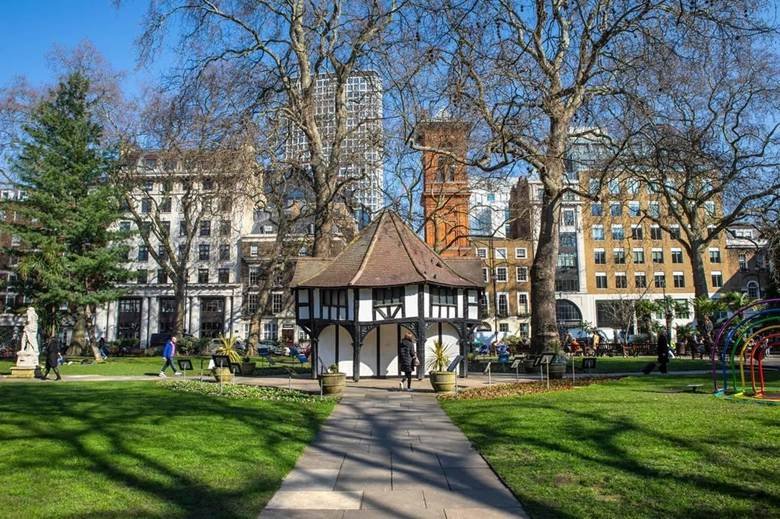
Worth considering if you want to be close to the centre of Soho while having a small garden square nearby. Check how close the property is to restaurants, offices and pedestrian routes.
Carnaby Street and Kingly Court surroundings
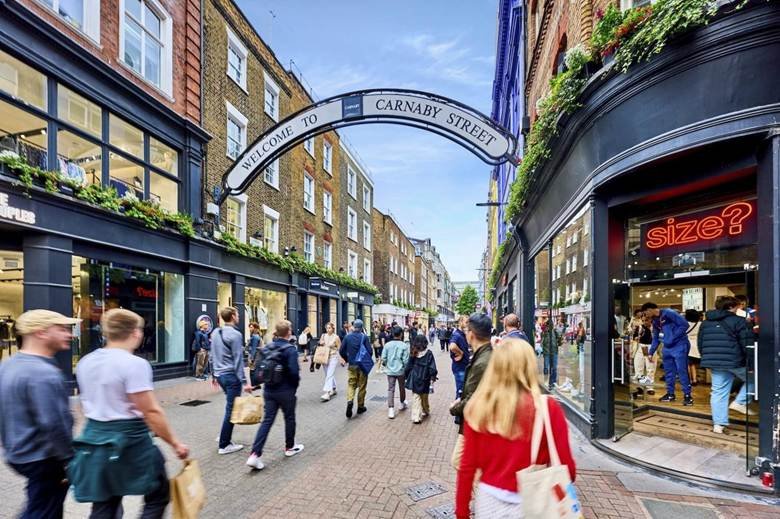
Convenient for shopping, dining and central access. These surroundings can attract substantial visitor activity, so inspect the immediate street and the building’s sound insulation.
Dean Street and Greek Street
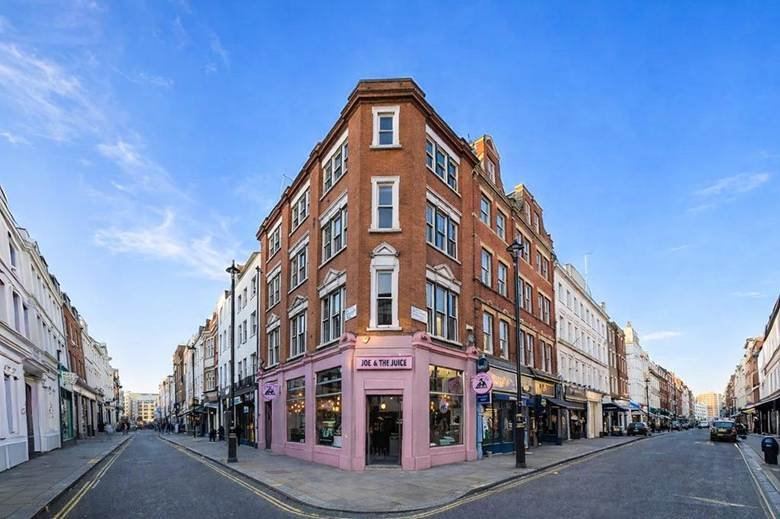
Good for people who want quick access to restaurants, pubs and cultural venues. The mix of commercial and residential uses makes a careful noise assessment particularly worthwhile.
Smaller side streets
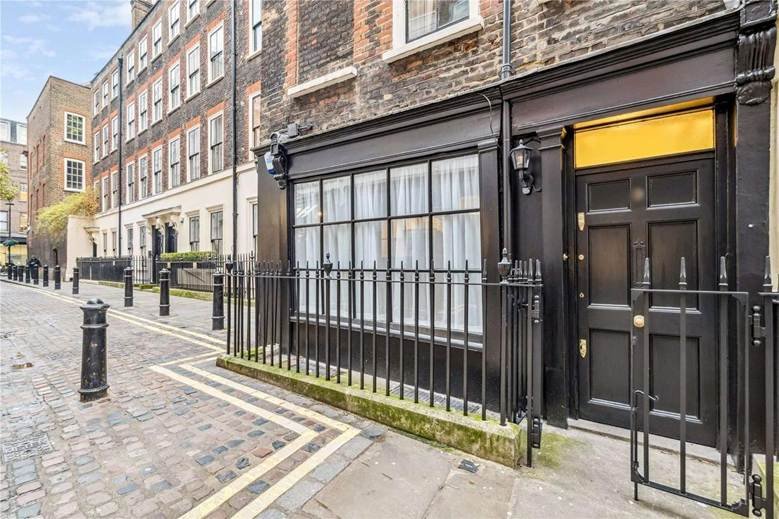
These may offer a different atmosphere from the main shopping and entertainment streets, but quieter surroundings should never be assumed. Check the exact address during evening and weekend periods.
If possible, view several homes across different streets before deciding. Pay attention to bedrooms facing the street, windows overlooking courtyards, refuse-storage areas, lift access and the condition of communal spaces.
Soho versus nearby areas: which is the better place to live?
If Soho’s costs or nightlife seem challenging, nearby neighbourhoods can provide a useful comparison. The best alternative depends on whether you want to retain central access, find a quieter home or gain more space.
| Area | General character | Potential advantage over Soho | Main consideration |
| Fitzrovia | Central, with residential streets, restaurants and creative businesses | Some streets may feel more residential while remaining close to the West End | Conditions vary considerably by street and property |
| Bloomsbury | Residential, academic and cultural | Access to garden squares, university areas and cultural institutions | Still central London, with substantial variation in housing costs |
| Marylebone | Residential streets alongside shopping and restaurants | Some pockets offer a more residential atmosphere | Property costs can remain high |
| Covent Garden | Theatre, shopping, restaurants and historic streets | Strong access to cultural attractions and central transport | Visitor activity and housing costs can also be significant |
| Clerkenwell | Residential, creative and commercial mix | An alternative central location with a different neighbourhood feel | Check the commute and street-level amenities for your routine |
These are broad comparisons, not guarantees that one area is quieter or cheaper than another. Housing costs and noise depend on the property and the street.
For a fair comparison, shortlist homes with similar floor space, condition and transport access. Visit each neighbourhood during the hours you would normally be at home, and calculate the difference in commuting time and monthly expenses.
How to decide if Soho is right for you
Before signing a tenancy agreement or making an offer, use this practical checklist.
- Set your housing budget. Include council tax, utilities, transport and any service charges.
- Visit at different times. Check weekday mornings, evenings and a weekend night.
- Test the commute. Walk to the station and check the actual journey to work.
- Inspect the building. Look at windows, ventilation, security, storage and communal areas.
- Check the immediate surroundings. Note restaurants, bars, delivery entrances, road traffic and construction.
- Plan daily essentials. Locate grocery shops, healthcare services, schools if needed, and outdoor space.
- Read the paperwork. Review the tenancy or lease, repair responsibilities, building charges and any relevant restrictions.
- Compare alternatives. Check similar homes in Fitzrovia, Bloomsbury or Marylebone before committing.
For renters, make sure the property meets applicable safety and legal requirements, and confirm the terms of the tenancy. Buyers should obtain appropriate legal advice and investigate the building’s condition, tenure and ongoing costs.
A short visit can tell you whether you like Soho. A more detailed property inspection can help establish whether you will be comfortable living there.
7. FAQ
Is Soho a good place to live?
Yes, for people who enjoy central London, restaurants, entertainment and walkable access to amenities. It may be less suitable for those who prioritise quiet streets, larger homes, gardens or lower housing costs.
Is Soho expensive to live in?
Soho is generally a costly central London housing location, although prices vary by property and street. Compare current listings and calculate rent or mortgage payments alongside council tax, utilities, transport and other expenses.
Is Soho safe at night?
Soho has busy nightlife and substantial visitor activity. Assess the specific street and building, check local police crime information and take sensible precautions, especially when travelling late.
Is Soho noisy at night?
It can be. Bars, restaurants, crowds, deliveries and traffic may create noise, but conditions vary considerably by address. Visit a property on a Friday or Saturday evening and check its windows and sound insulation before committing.
Is Soho suitable for families?
It can suit some families, particularly those who value central access and cultural activities. However, housing space, school arrangements, outdoor areas and nighttime noise deserve careful consideration.
Does Soho have good transport links?
Yes. Tottenham Court Road connects the Central and Northern Underground lines with the Elizabeth line. Oxford Circus, Piccadilly Circus and Leicester Square provide additional Underground connections around the neighbourhood.
Are there parks in Soho?
Soho has smaller green spaces, including Soho Square and Golden Square. Residents seeking extensive parkland will generally need to travel farther from the neighbourhood.
Is Soho better than Fitzrovia?
Neither is universally better. Soho offers immediate access to much of the West End’s nightlife and dining, while some parts of Fitzrovia may suit people looking for a different residential atmosphere. Compare specific streets, property costs and commute times.
Can you live in Soho without a car?
Yes. Walking and public transport are practical options for many residents because shops, restaurants and several Underground stations are nearby. Individual needs, mobility and travel patterns will determine whether a car is useful.
What should I check before renting a flat in Soho?
Inspect the flat at different times, check noise insulation and building security, confirm the full monthly cost, assess the commute, and read the tenancy agreement carefully. If the property is above or beside a commercial venue, pay particular attention to deliveries and late-night activity.
Final verdict: Is Soho a good place to live?
Soho is a good place to live for people who want central London on their doorstep and are comfortable with the compromises of a busy mixed-use neighbourhood. Its restaurants, theatres, independent businesses, transport connections and cultural venues can make everyday life convenient and entertaining.
The trade-offs are real. Housing can be expensive, flats may be compact, green space is limited, and noise needs careful consideration. Families, light sleepers and people seeking a quieter residential routine may prefer to compare other neighbourhoods before deciding.
The best approach is to choose a property, not just a postcode. Visit the street after dark, check the actual journey to work, assess the building’s sound insulation and calculate the full cost of living there. If the location fits your budget and daily routine, Soho can be a rewarding place to call home.